

On April 24, members of the Cluster of Excellence (CoE) Microplanet stepped out of the labs and into the spotlight for Austria’s largest biennial celebration of science, research, and innovation: the Lange Nacht der Forschung (LNF). Since 2005, the LNF has opened doors across all nine federal states, offering people of all ages free glimpses into the world of science. This year, CoE Microplanet showcased the groundbreaking research across 11 interactive stations at 6 different locations. From walk-through organs to glowing microbes, here is a recap of how our researchers brought the invisible world of microbes to life!
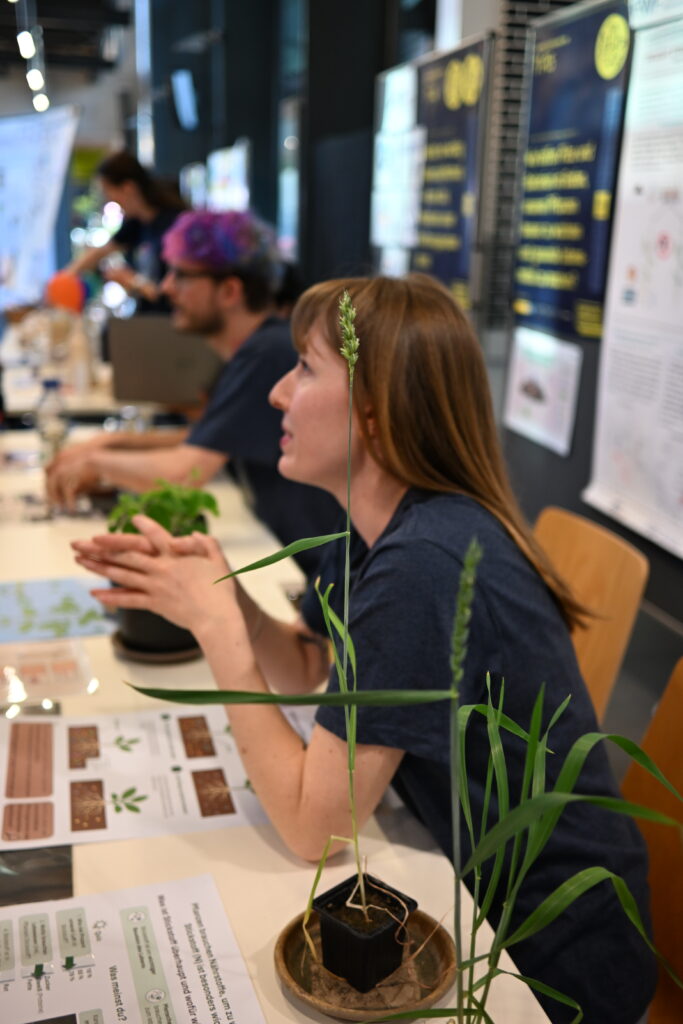
At the AIT – Austrian Institute of Technology (Tulln), CoE members Angela Sessitsch, Caro Bilz, and Saee Joshi gave a hands-on look at the tiny helpers living inside and around plant roots, featuring real roots, living plants, and active microorganisms.
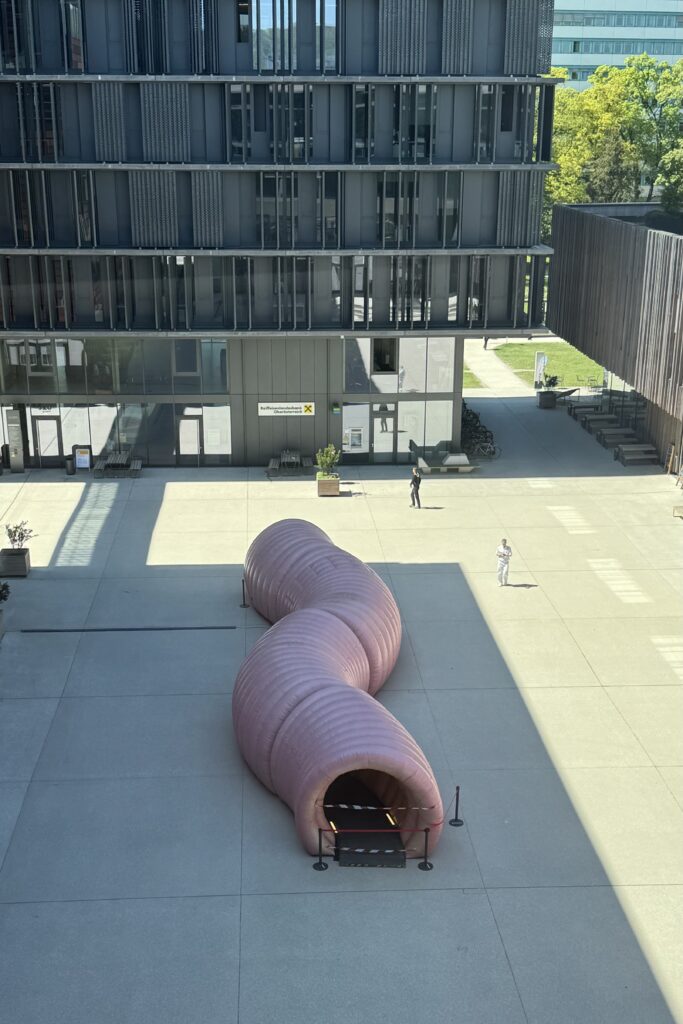
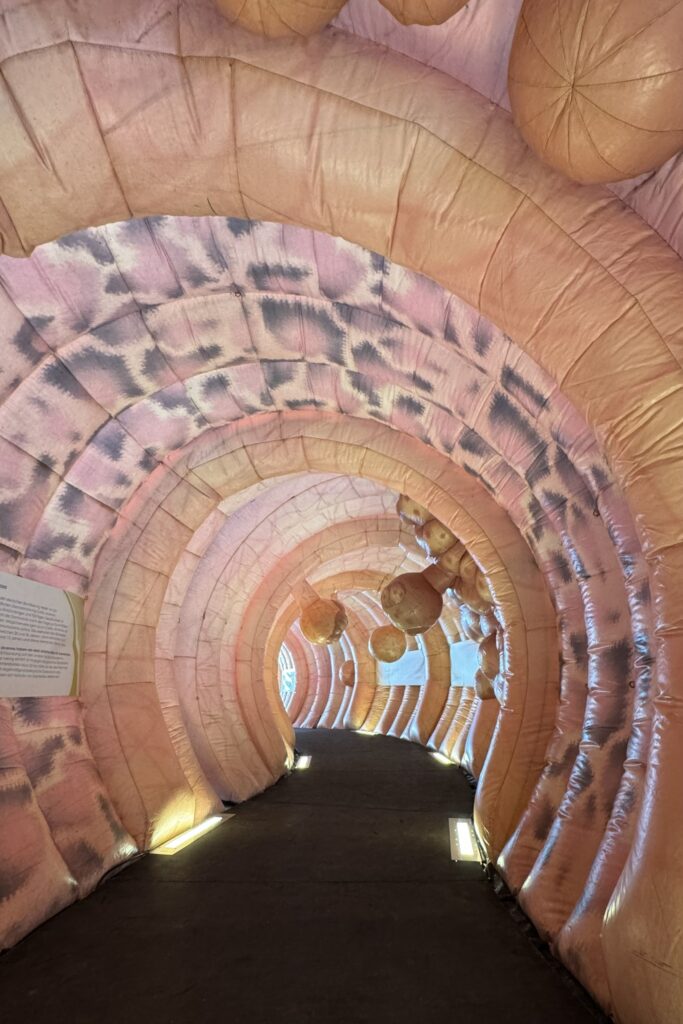
At JKU Linz, organized by CoE members Alexander Moschen and Alex Ralser, visitors of all ages got to walk through Europe’s largest model of a human colon spanning 20 metres (developed by the Felix Burda Stiftung GmbH).
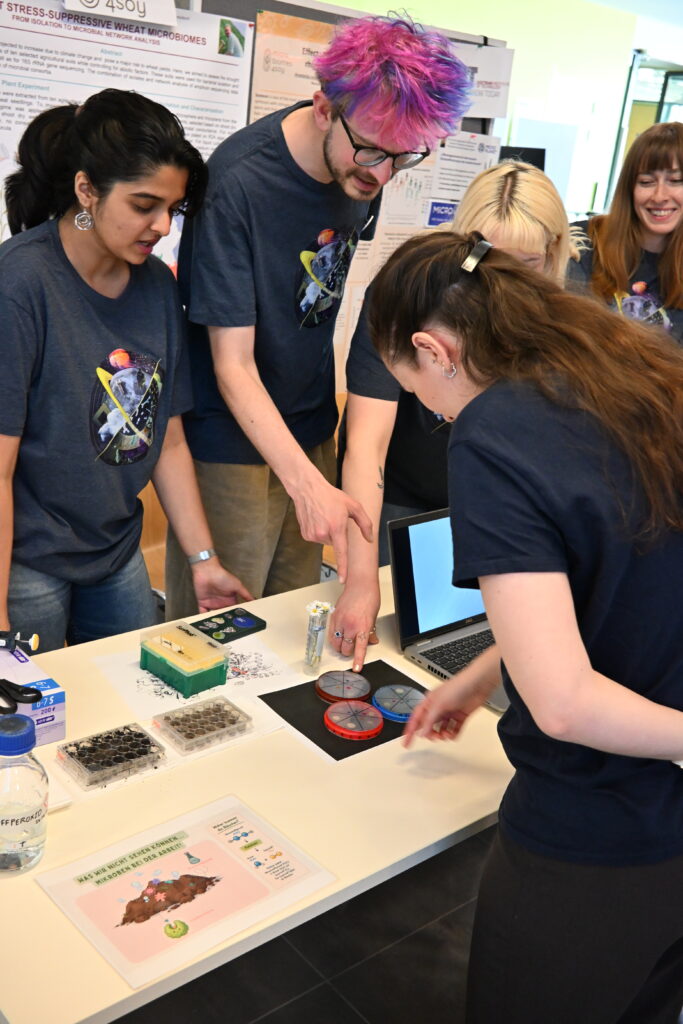
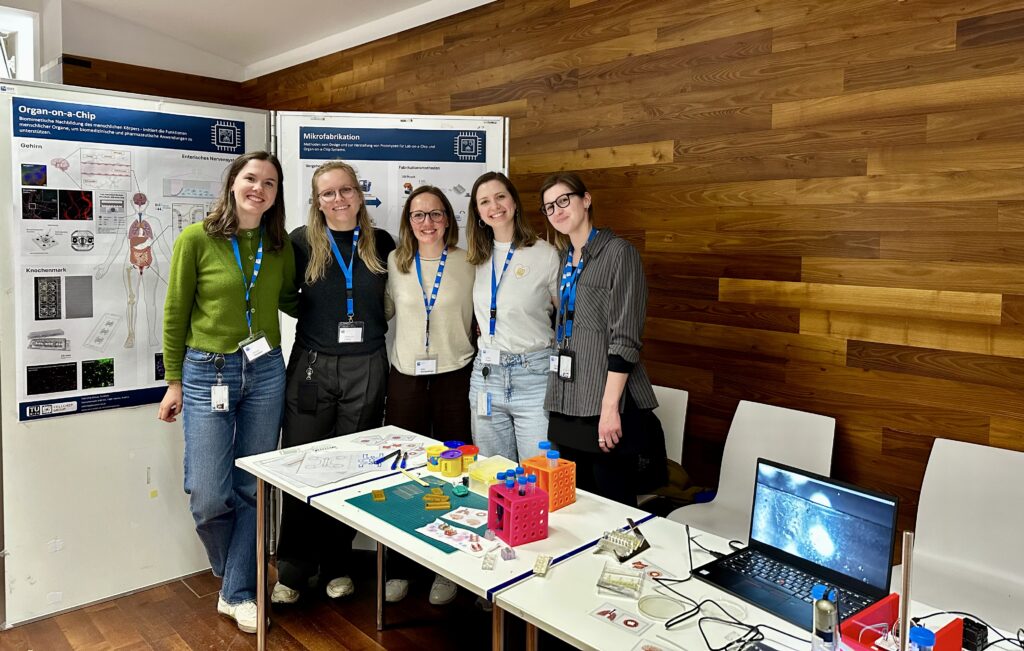
CoE members Helena Thumfart and Alexandra Lorenz from TU Wien introduced the “Organ-on-a-Chip” technology, highlighting advanced alternatives to animal testing. Visitors learned how these tiny, laboratory-replicated human organ parts are designed, manufactured, and analyzed under the microscope.
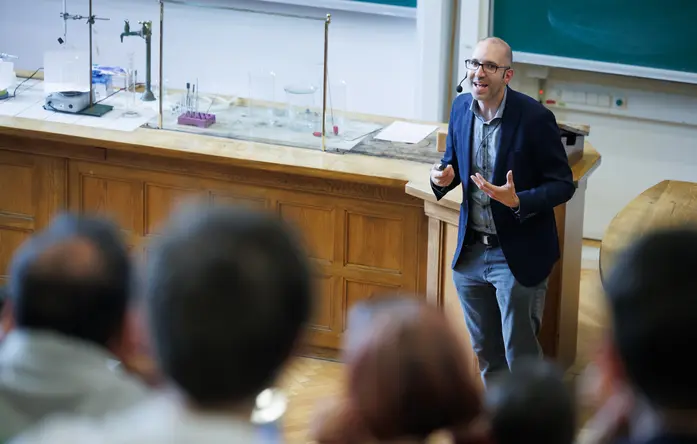
At the Faculty of Chemistry (University of Vienna), CoE member Thomas Böttcher gave a highly entertaining lecture on why spaceships don’t explode the way they do on screen, how the machines in The Matrix miscalculated their thermodynamics, and where Jurassic World bent the rules of biochemistry.
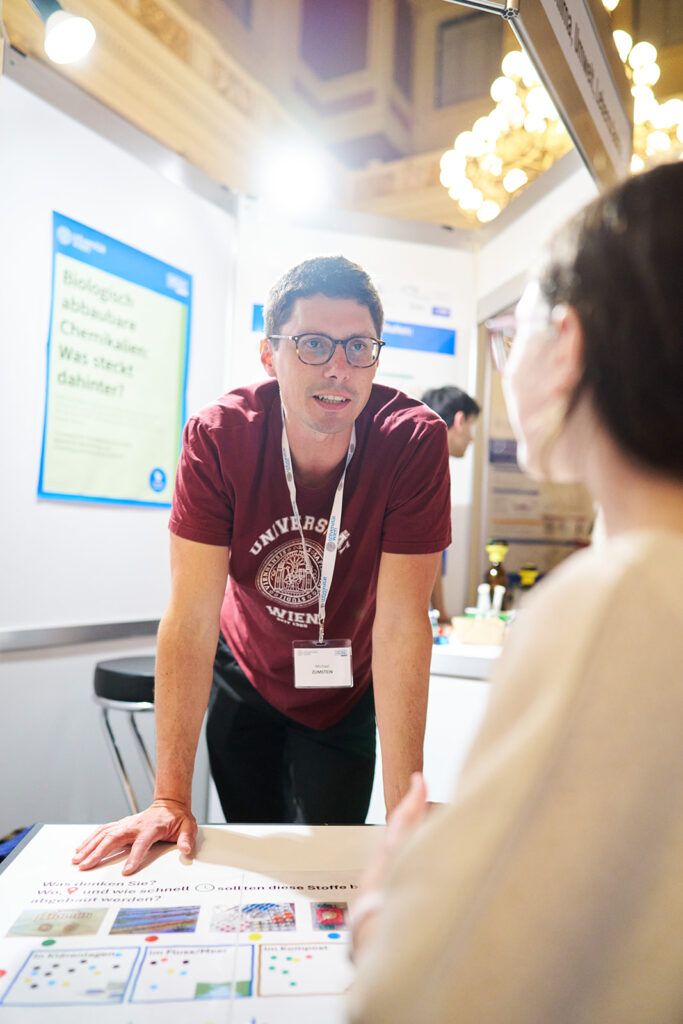
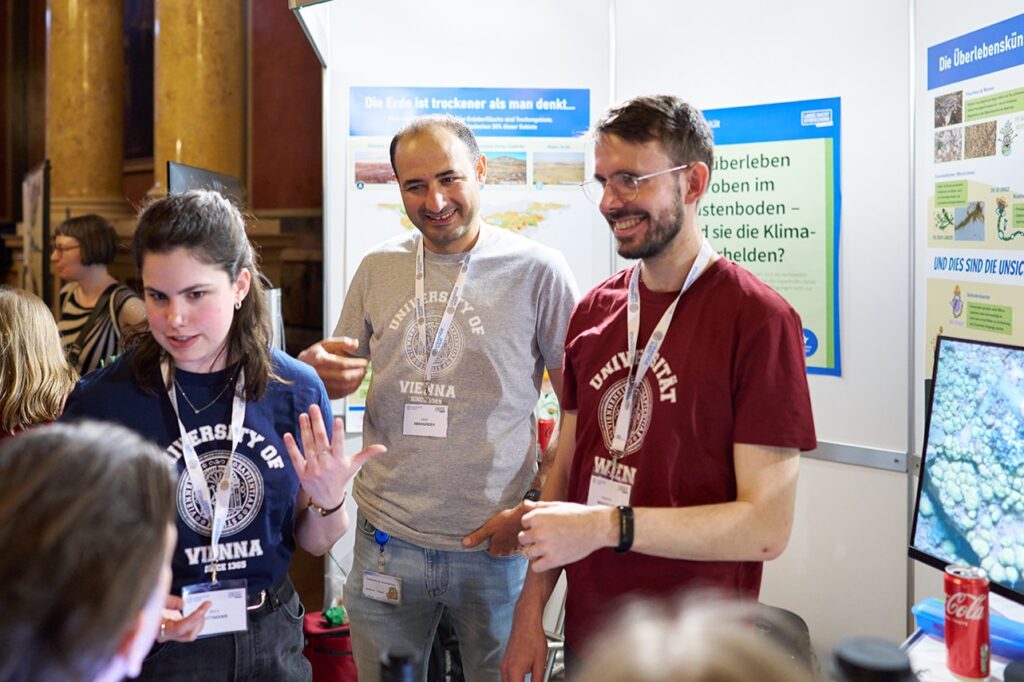
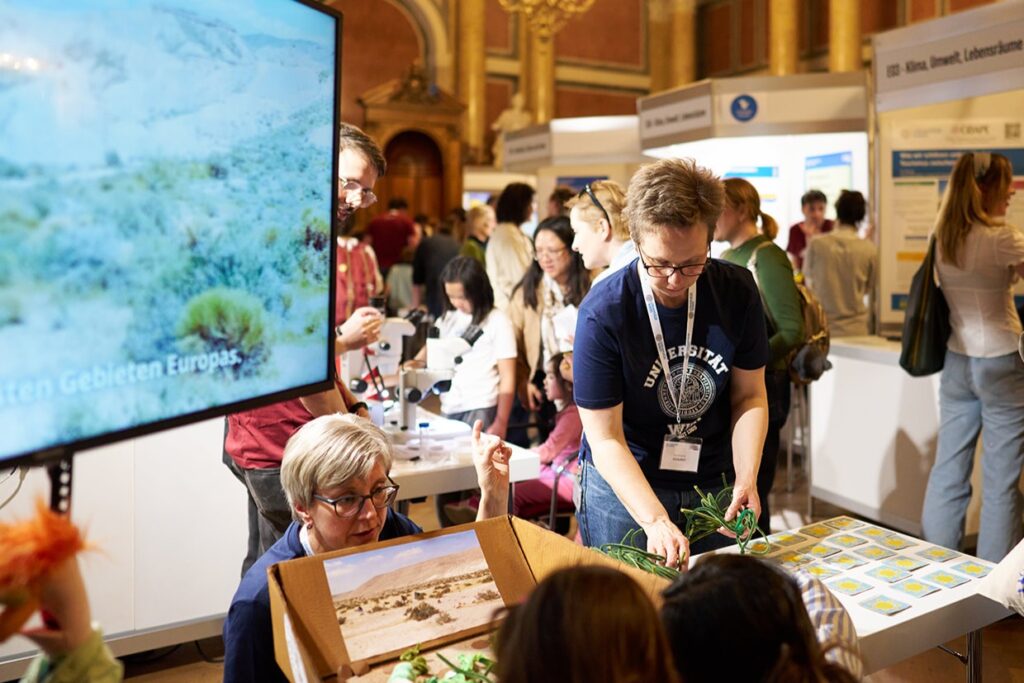
CoE members Dagmar Woebken and Michael Zumstein, with their groups, represented the CoE Microplanet at the main building of the University of Vienna. While Dagmar and her team demonstrated the incredible survival mechanisms of tiny soil microorganisms under extreme conditions, Michael and his colleagues investigated what makes certain chemicals truly biodegradable, exploring eco-friendly alternatives to replace harmful, man-made substances in our ecosystems.
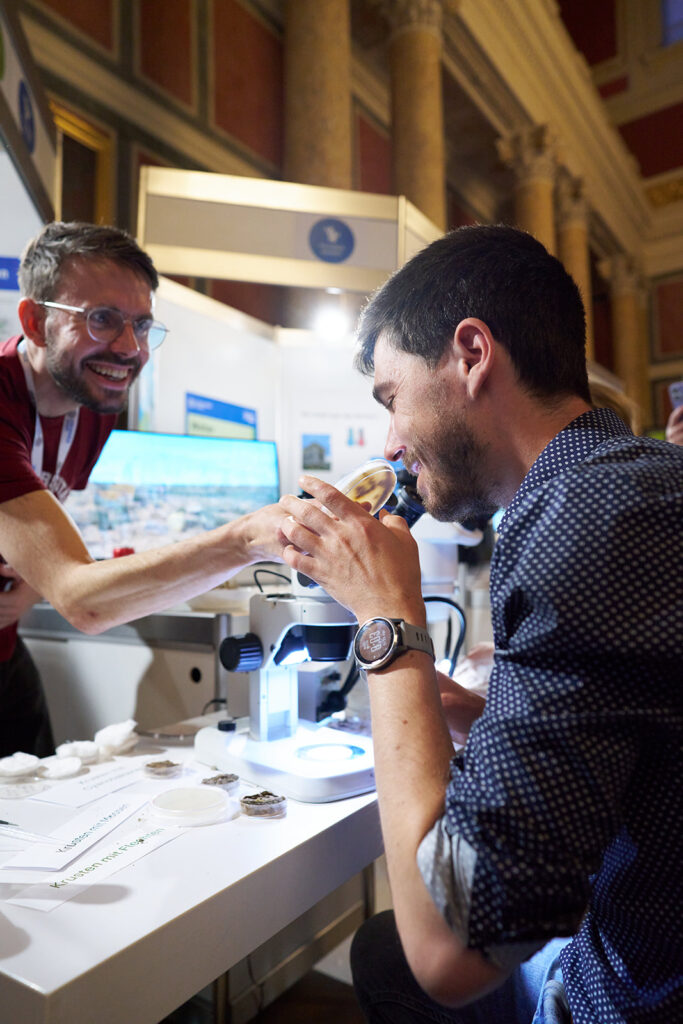
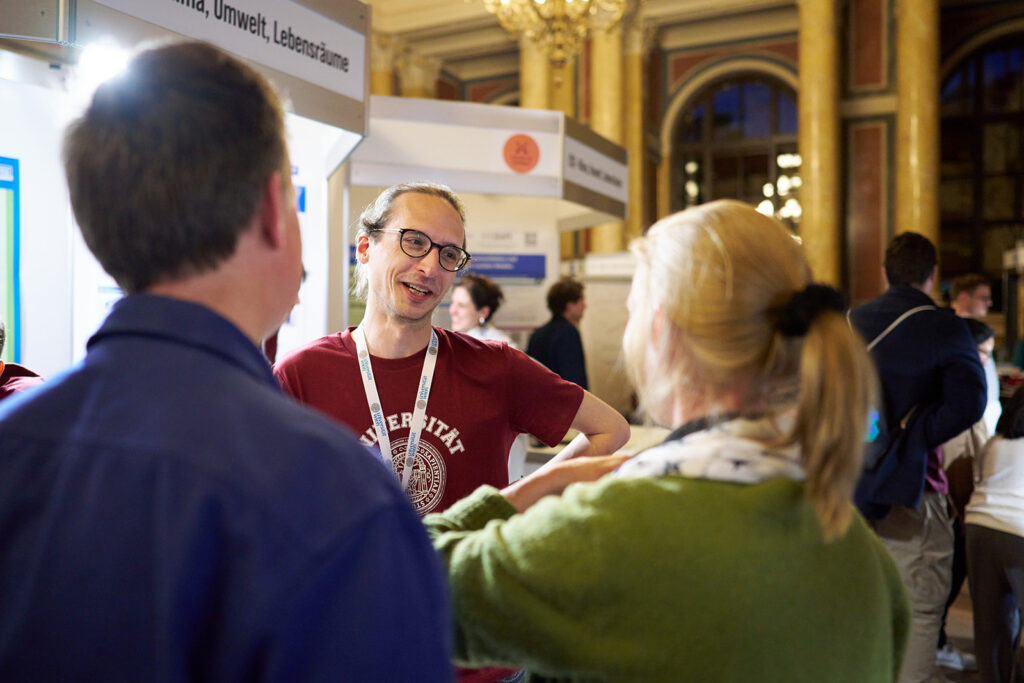
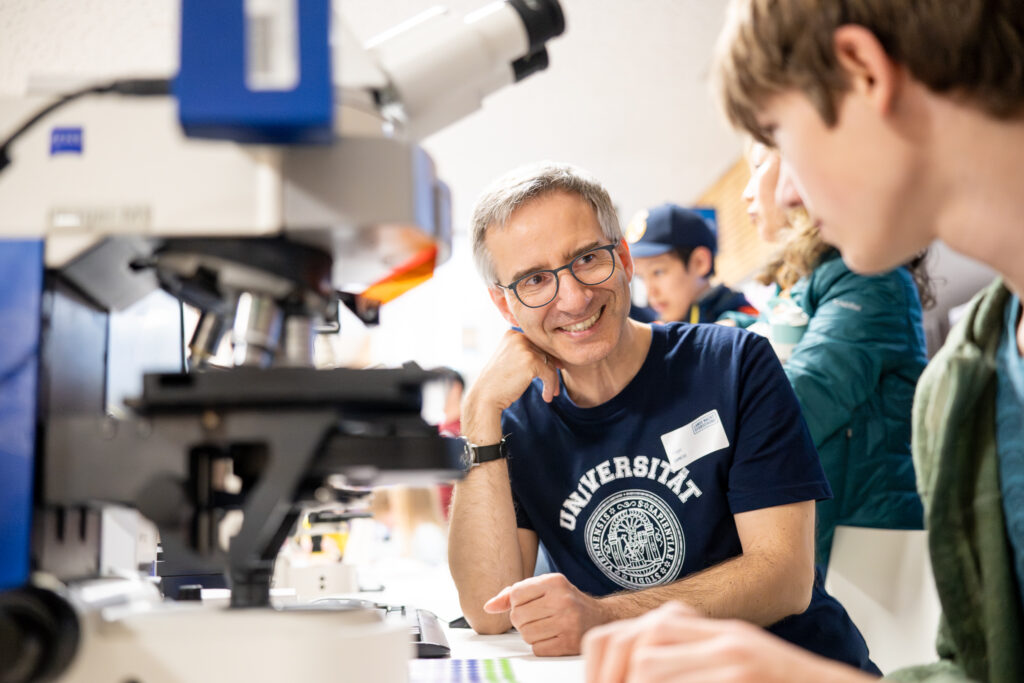
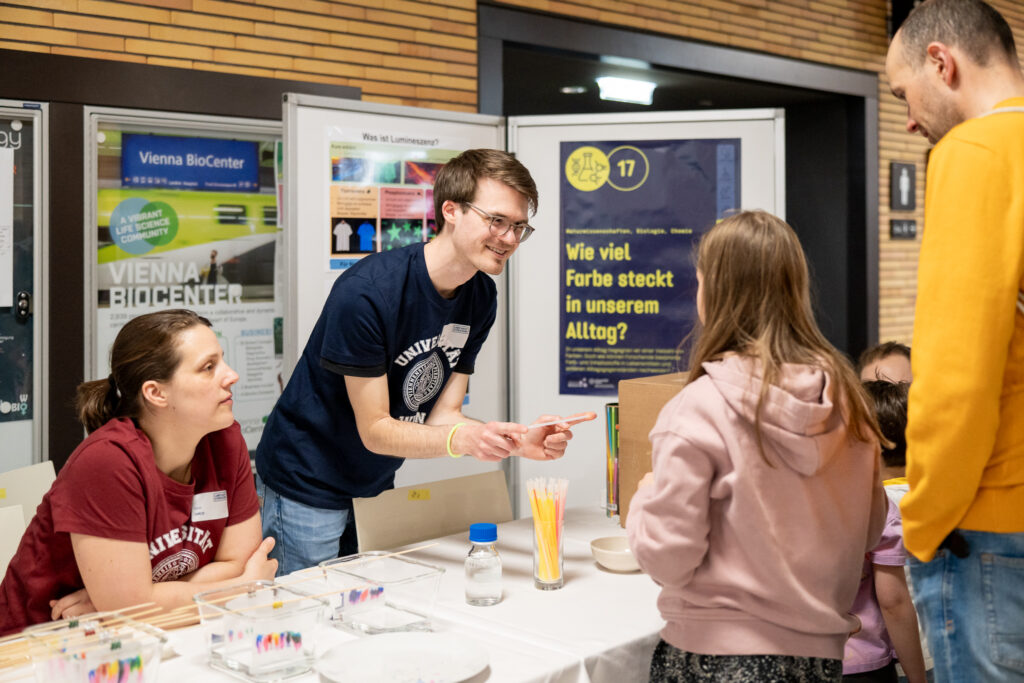
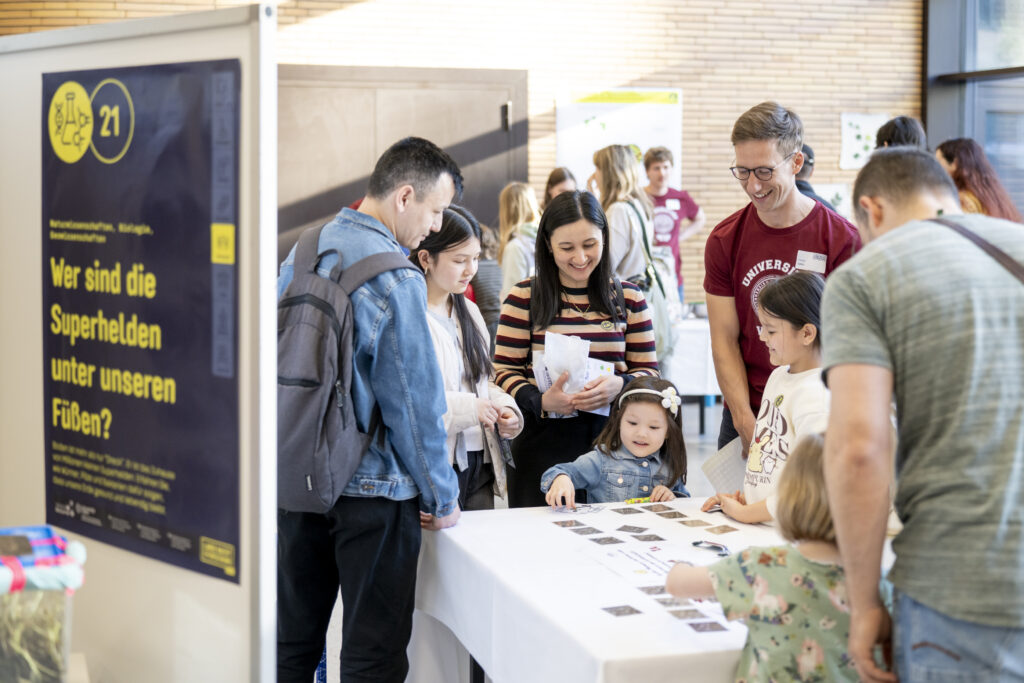
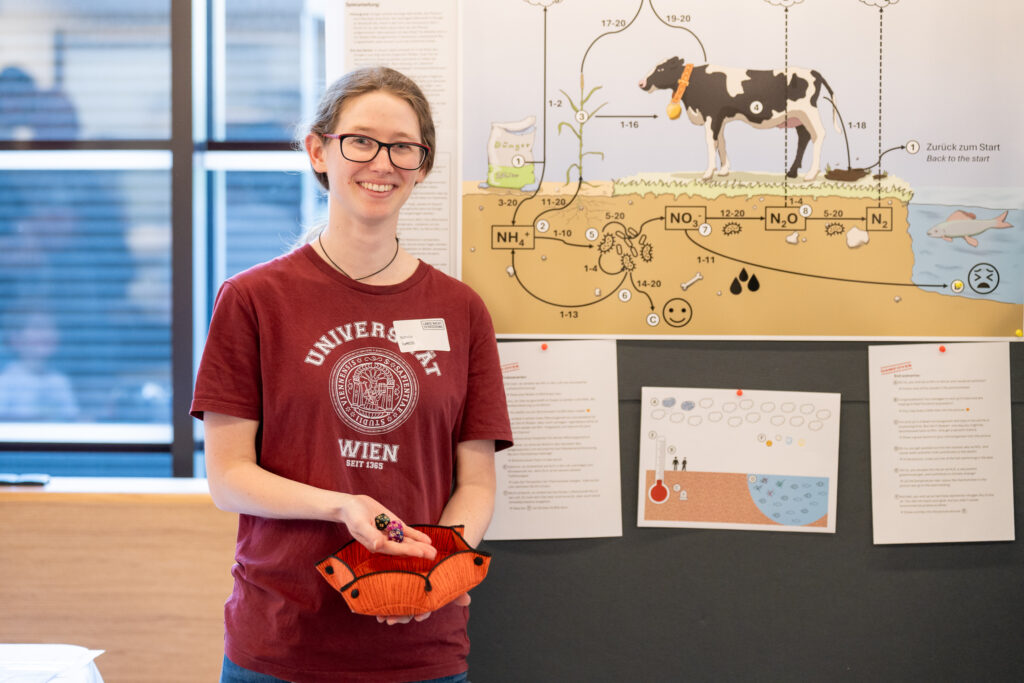
Finally, four groups presented their research at the University of Vienna Biology Building (UBB). Nathalie Heldwein from Wolfgang Wanek’s group invited visitors to become fertilizer and test whether humanity could be fed without pollution. Sarah Pati and Valentin Göldner offered hands-on experiments to reveal the components of everyday color. Ruizhe Pei, Hanna Koch, and Anton Strunov from Holger Daims’s group used fluorescent stains to make invisible microbes glow under the microscope. And, Cornelia Rottensteiner from Andi Richter’s group let visitors discover soil microorganisms through a memory game that engages the senses.
An event of this scale is only possible through the passion, creativity, and dedication of our researchers. Thank you to everyone who participated, volunteered, and visited our stations to make the Lange Nacht der Forschung 2026 such a success for science communication! Already looking forward to the next Long Night of Research in 2028!